The content marketing landscape in 2026 is changing significantly. Brands are now seeking alternatives to blogs and social media for growth. At Digital Edenz, we’ve found it crucial to monitor how audiences consume, engage with, and trust content. Traditional formats can’t sustain long-term digital growth on their own anymore. Brands need to adopt to a more effective and future oriented content strategy, as AI driven discovery and competition increases.
The Shift in Audience Behaviour
Today’s audience is overwhelmed with content. Now adays blogs and social media feeds are getting crowded and hence it makes brands to capture real attention. Now users look for faster, smarter and more personalized details. All they need is quick answers and content that covers their specific requirement instead of generic messages created for mass appeal.
Search behaviour has also changed. Users now rely on AI-driven tools, voice search, and generative search results that summarize information without needing a click. This means brands must create content that is not only informative but also optimized for reference, quotes, and visibility by AI platforms.
From Traffic to Visibility in AI-Driven Search
Traditional SEO focused heavily on ranking pages and driving clicks. In 2026, visibility holds more importance than traffic. Brands must structure content so that AI systems can understand and derive value from it, using clear sections, authoritative insights, and context-rich explanations. Content should directly answer questions, not just draw in visitors.
This shift pushes brands to rethink how they measure success. Instead of just page views, engagement depth, brand recall, and assisted conversions are becoming more meaningful indicators of content performance.
Long-Form Authority Content Takes the Lead
Short posts will attract fast engagement, long-form content builds authority. In-depth articles, research-based insights, industry reports, and expert opinions help establish trust in a crowded digital space. Those brands which prioritize quality over quantity will position the selves as reliable sources of knowledge instead of just content publishers.
This strategy also supports long-term SEO, as authoritative content continues to perform well over time and attracts organic visibility even as algorithms change.
Hyper-Personalization as a Standard
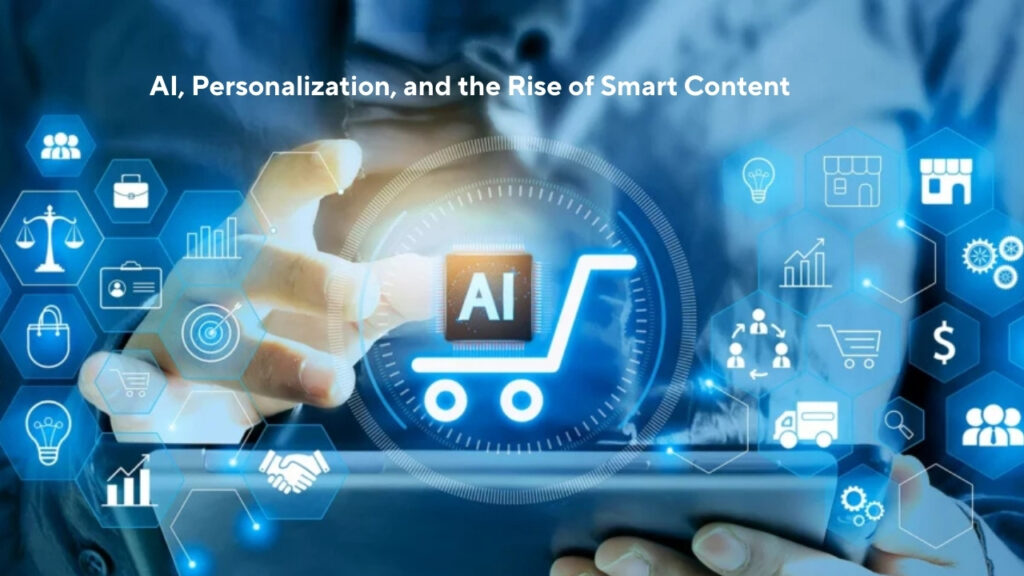
Generic content no longer works in 2026. Audiences expect personalized experiences based on their interests, behaviour, and stage in the customer journey. Data insights and automation tools now enable brands to deliver customized content journeys that feel personal and relevant.
Personalization involves more than names or locations; it includes tailored recommendations, adaptable messaging, and contextual storytelling that aligns with user intent.
The Rise of Authentic and Human-Led Content
As AI-generated content becomes widespread, authenticity has become a key differentiator. Users are attracted to real stories, genuine experiences, and transparent communication. Employee-generated content, customer stories, behind-the-scenes insights, and thought leadership grounded in real expertise perform much better than overly polished promotional material.
Trust builds when brands sound human, relatable, and honest—qualities that algorithms alone cannot replicate.
Multi-Format Content Distribution
Relying solely on blogs and social media limits reach. Successful brands in 2026 distribute content across multiple formats, including podcasts, video platforms, newsletters, AI-search ecosystems, and niche content platforms. Smartly repurposing content ensures consistent messaging while maximizing visibility across different user touchpoints.
This varied approach reduces risk and ensures that content continues to perform even if the reach of one platform declines.
Strategy Over Tactics
Content marketing is no longer about posting frequently; it’s about strategic storytelling. Brands must link content to business goals, audience intent, and long-term growth plans. A clear roadmap, supported by analytics and user insights, ensures that every piece of content serves a clear purpose.
Collaborating with a skilled digital marketing agency helps brands adjust more quickly, spot emerging opportunities, and avoid outdated content practices.
Preparing for the Future of Content
As content marketing continues to evolve in 2026, brands that look beyond blogs and social media will gain a significant competitive edge. Success lies in authority-driven content, immersive experiences, building communities, personalization, and authentic storytelling. The future belongs to brands that prioritize value, relevance, and trust over volume and visibility. With Digital Edenz guiding brands through this transformation, businesses can confidently adapt to changing digital landscapes and develop content strategies designed for sustainable growth.